Originally published on Forbes
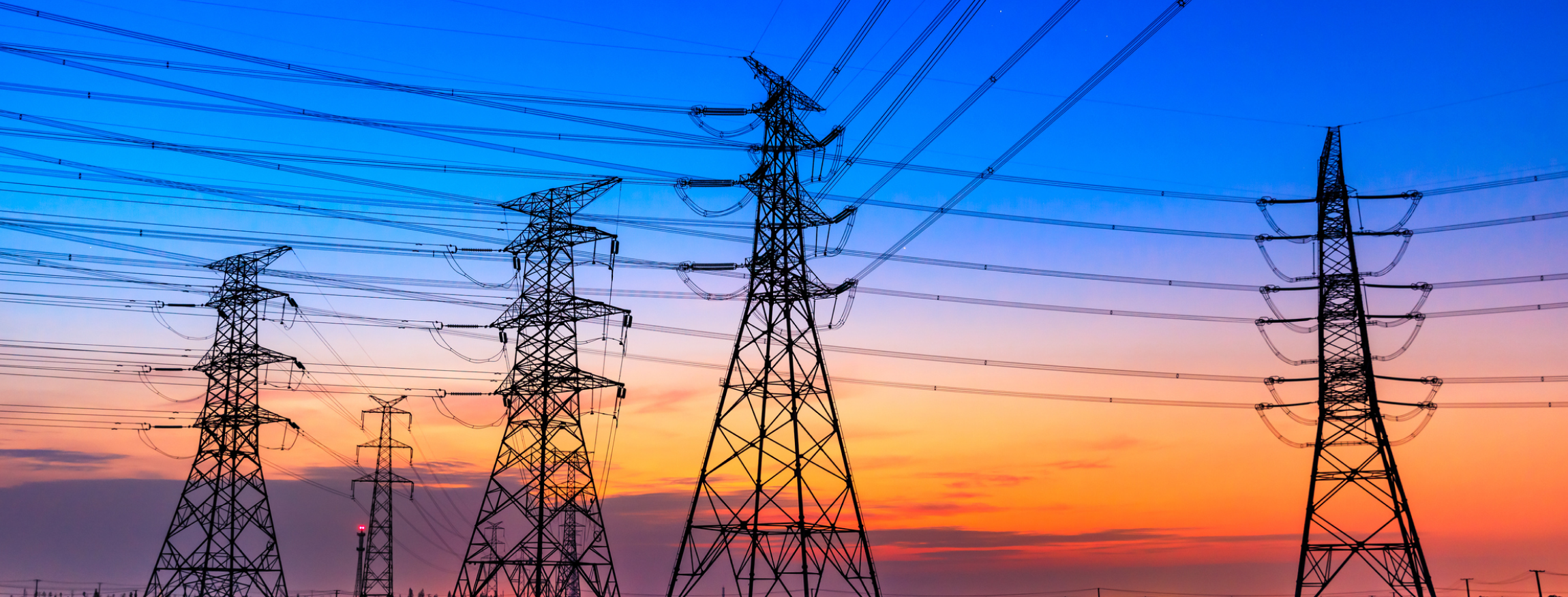
Outside the utilities sector, AI is still widely viewed as a digital phenomenon: abstract, virtual and cloud-based. In my work with energy providers, the conversation is focused on something vastly different: AI's physical footprint.
Due to the adoption of AI, data centers are expanding rapidly in size, scale and number, bringing with them rows of servers, dense compute infrastructure and unprecedented electricity demand.
The land acquired, substations expanded and transformers stretched will have significant implications for utilities and grid reliability. This shift is forcing utilities to rethink how energy systems are planned, operated and experienced.
The Scale Utilities Can No Longer Ignore
AI-driven data centers represent an altogether different category of electricity demand for the energy and utility industry.
According to a 2024 joint report from the U.S. Department of Energy and Lawrence Berkeley National Laboratory, "data centers consumed about 4.4% of total U.S. electricity in 2023." This figure is projected to rise to between 6.7% and 12% by 2028. In less than a decade, data center electricity demand has already tripled, and it could double or even triple again within the next few years.
AI’s future, therefore, is increasingly inseparable from energy’s future.
AI inference operates at a massive scale with always-on workloads and GPU-dense infrastructure. Unlike traditional industrial demand, AI workloads are continuous, highly concentrated and capable of scaling faster than generation or transmission infrastructure timelines.
As grid stress increases, costs ripple outward. Businesses may transfer costs to consumers in the form of higher electricity bills. For customers, this can lead to affordability issues, uncertainty and broken trust.
In short, utilities find themselves simultaneously balancing grid resilience, regulatory accountability, operational constraints and customer expectations.
Why Infrastructure Alone Is Not Enough
To meet this demand, "investor-owned utilities are planning to spend at least $1.4 trillion over the next five years through 2030 on capital expenditures," according to research from the consumer education nonprofit PowerLines.
Additional generation, transmission and substations will be required. But infrastructure alone cannot solve a problem defined by speed, interdependence and continuous demand.
The next phase of grid resilience will be determined by intelligence. More specifically, it will be determined intelligence that understands how energy systems function across customers, workforce, operations and grid assets.
Vertical AI As A Systemic Response
Generic AI models trained on broad, internet-scale data can be powerful for general tasks. But energy and utility operations often demand something more specific: Systems that understand grid constraints, regulatory obligations, workflows, asset life cycles, customer service complexity and the real-world consequences of getting decisions wrong.
That is helping drive interest in what is called vertical AI—AI designed for a particular industry rather than a one-size-fits-all model. In energy and water, that can mean combining machine learning with operational data, engineering logic, compliance requirements and performance patterns. It is one path energy and utilities are exploring as they move from experimentation to measurable outcomes.
The appeal is practical. Instead of layering disconnected tools across departments, utilities are looking for intelligence embedded into the places where work already happens:
- Customer Layer: Using predictive insights to improve communication during outages, identify affordability risks earlier and reduce avoidable service friction
- Workforce Layer: Equipping field teams with better routing, job context and real-time recommendations so crews can respond faster and more effectively
- Operations Layer: Connecting insights across planning, service, finance and control functions to support quicker, more informed decisions
- Grid And Asset Layer: Detecting early signs of equipment stress, load volatility or maintenance risk before they escalate into larger disruptions
This is not the only route available. Some utilities may prefer a hybrid strategy, but the central question is less about choosing a label and more about fit. As energy and utilities evaluate AI investments, the strongest models are likely to be those that align with operational realities, integrate with existing systems and produce results that can be trusted at scale.
What The Next Chapter Demands Of Leaders
The unsolved challenges ahead represent genuine leadership opportunities. For industry leaders navigating this landscape, three postures will separate the pioneers from the laggards:
- Move from capacity planning to intelligence planning. Utilities have long focused on forecasting load, securing supply and funding infrastructure. Increasingly, leading operators are adding a second lens—where decisions slow down, where data sits in silos and where coordination breaks under pressure. One example is a utility modernizing storm response by connecting outage systems, field dispatch, weather feeds and customer communications. The result is not just faster restoration but better use of existing crews and assets. Physical investment often delivers more value when decision systems improve alongside it.
- Treat AI adoption as a strategic decision, not only a technical one. AI choices increasingly affect customer experience, workforce productivity, risk management and regulatory confidence. That makes adoption a boardroom issue as much as an IT initiative. For example, a utility deploying AI in the contact center may reduce call volumes and wait times, but the larger decision includes governance, accuracy standards, escalation design and customer trust. The strongest programs are typically led jointly by operations, technology, customer leaders, finance and compliance teams.
- Shape the future proactively with regulators and stakeholders. Affordability pressures, data center demand, electrification and efficiency targets are converging quickly. Utilities that bring clear data, scenario planning and measurable customer benefits to regulators are often better positioned than those reacting late in the process. A practical example is a utility proposing targeted demand response or time-of-use programs supported by transparent impact modeling. That can help reduce peak strain, limit future capital costs and show a credible path to customer value.
The common thread is execution.
The executives I have seen navigate this well share one trait: They stopped asking whether AI belongs in their operations and started asking how deeply it should go. That shift in framing changes everything. The most resilient utilities five years from now will be remembered for the decisions they make today about what kind of future they are defining for the industry.






 SEW.AI Assist